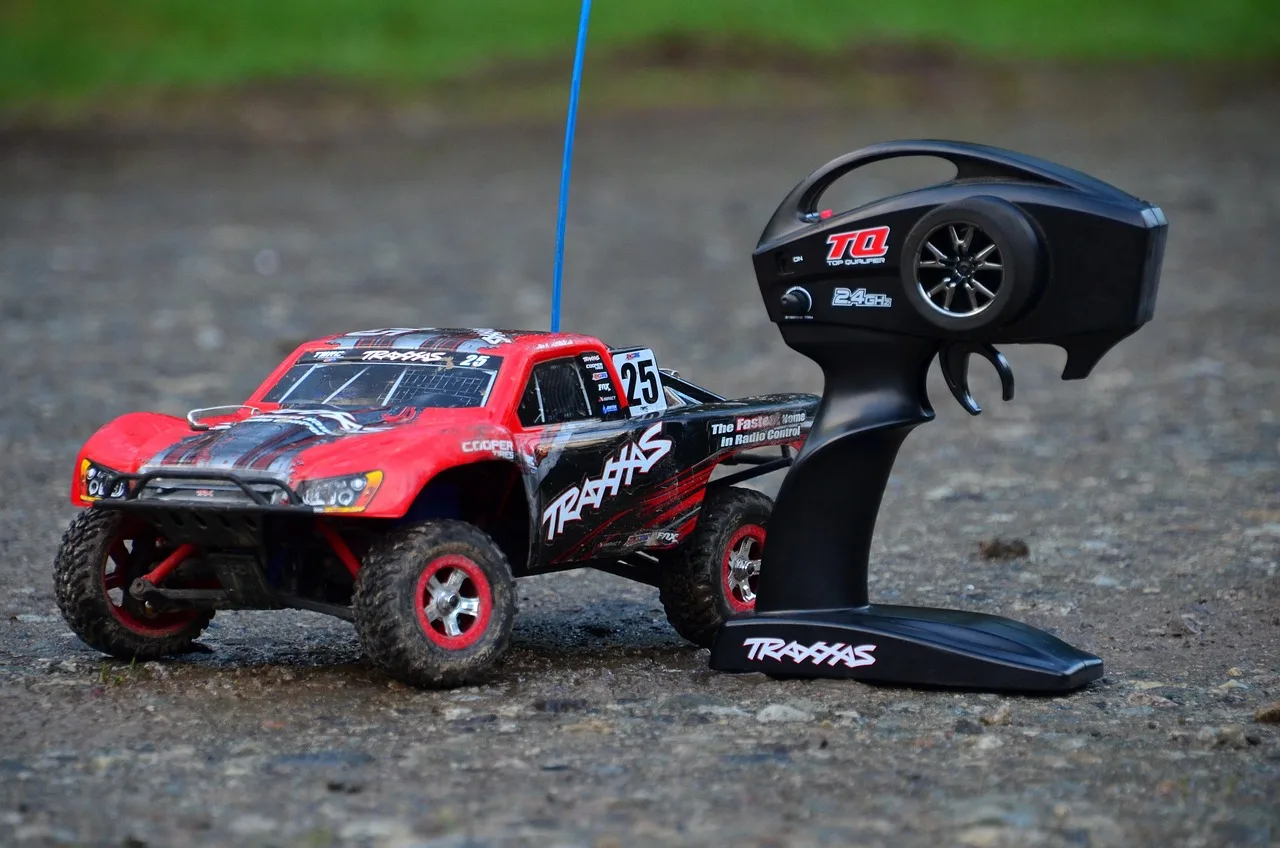
RC models are more reliable when they are treated like machines rather than toys. A few minutes of care before and after each session can prevent broken parts, weak batteries, poor range, overheating, and frustrating failures. Beginner maintenance does not need a professional workbench. It needs consistency.
Start Before You Drive
Before every run, check that the battery is charged, secured, and free from swelling or damaged wires. Inspect the tires or propeller depending on the model. Look for cracks, loose screws, missing body clips, damaged suspension arms, and anything rubbing where it should not.
Turn on the transmitter first, then the model. Test steering and throttle while the vehicle is safely lifted or restrained. If the response is delayed, twitchy, or reversed, fix that before running.
Keep Batteries Healthy
Battery care is one of the most important habits in RC. LiPo packs should be charged with a compatible balance charger, never left unattended while charging, and stored at the proper storage voltage when not used for a while. Do not run packs until the vehicle is completely dead; deep discharge can shorten battery life or damage the pack.
After driving, let batteries cool before recharging. Heat is a warning sign. If a battery becomes swollen, punctured, unusually hot, or physically damaged, stop using it.
Clean Without Drowning the Model
Dirt and dust are normal. Mud, grass, sand, and water require more attention. After a run, brush away loose debris, wipe the chassis, and check the drivetrain. Compressed air can help, but avoid blasting grit into bearings.
If the model is wet, dry it thoroughly. Water trapped around screws, bearings, electronics, or metal shafts can create corrosion. Waterproof electronics reduce risk, but they do not make maintenance optional.
Check Screws, Bearings, and Moving Parts
Vibration loosens hardware. Beginners should get used to checking wheel nuts, motor screws, suspension pivots, steering links, and body mounts. Use the correct driver size so screw heads do not strip.
Bearings should spin freely. Grinding, squeaking, or resistance means they need cleaning, lubrication, or replacement. Driveshafts and gears should be inspected for stones, hair, grass, and worn teeth.
Store It Properly
Store RC models clean, dry, and away from extreme heat. Remove batteries from the model. Keep chargers, tools, spare screws, and small parts together so maintenance is easy instead of a chore.
The best maintenance routine is short enough that you will actually do it. Check before running, clean after running, care for batteries, and fix small problems before they turn into broken sessions.
Make a Small Kit
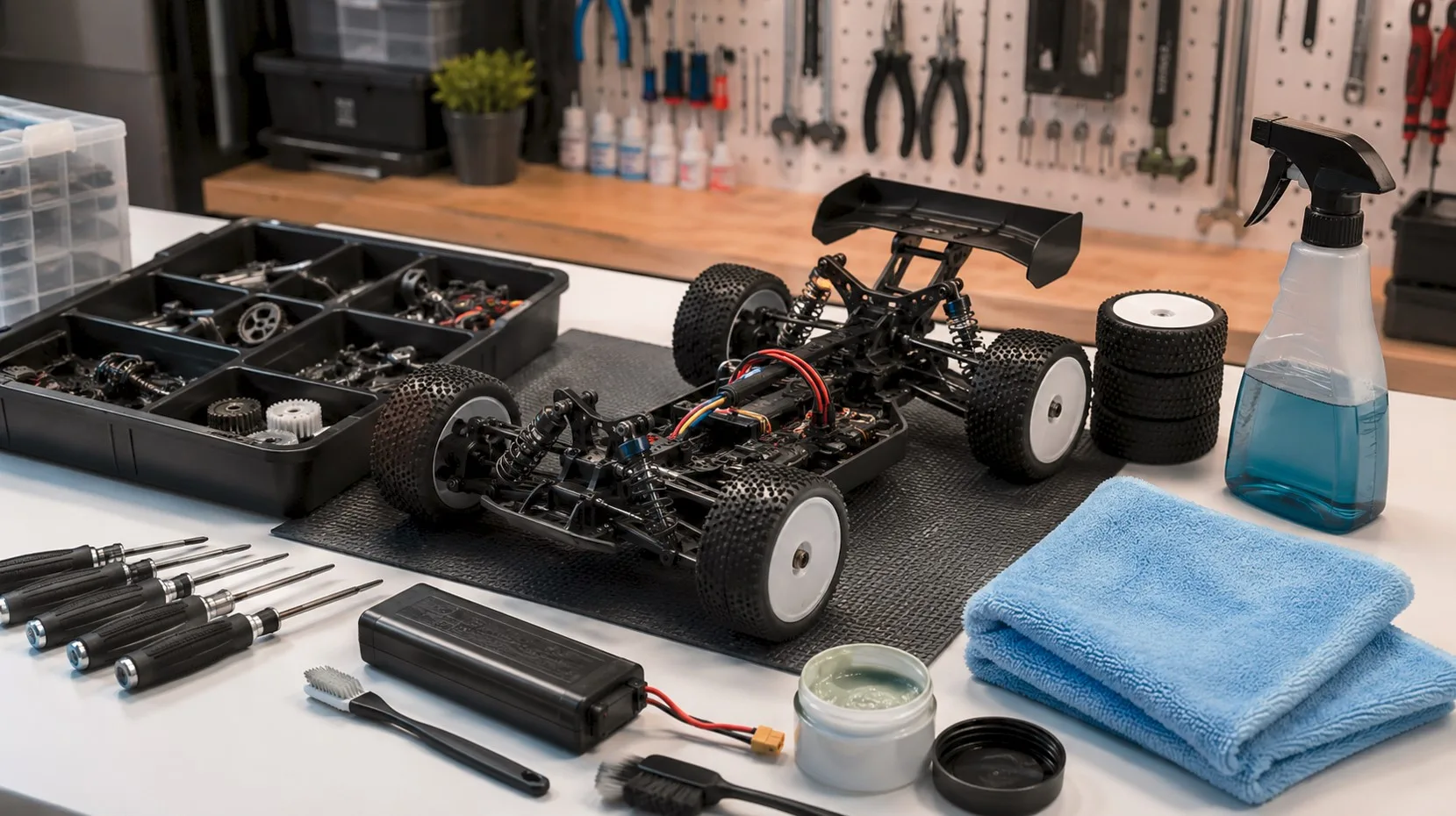
A beginner maintenance kit can be simple: the correct hex drivers, a soft brush, paper towels, cotton swabs, thread-lock for metal-to-metal screws, spare body clips, wheel nuts, and a safe battery bag for LiPo packs. Add a small notebook or phone note for repairs and battery cycles. When something loosens or breaks, write it down. Patterns appear quickly, and those patterns tell you whether the model needs better driving habits, stronger parts, or just more regular checks.